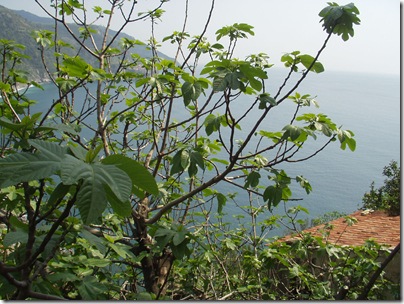
La Spezia, The Cinque Terre and The Riviera

P5210064 P5210035

P5210061 P5210055 P5210031 P5210032 P5210029 P5200017 IMGP1287 IMGP1288 IMGP1274 IMGP1271 IMGP1270 IMGP1269 IMGP1268 IMGP1260 IMGP1256 IMGP1258 IMGP1256 IMGP1251 IMGP1250

Already an important coastal centre, La Spe­zia owed its development to thè construction of the Naval Arsenal (1860-1865), which was the idea of Cavour and constructed according to a pian by Domenico Chiodo. The Public Gardens, which were created in the early nine-teenth century on the cresi of the Napoleonic dream (and, it was said at the time, in competition with those in Tokyo), are the true feather in the city's cap. Originally known as thè 'Boschetto', these enchanted gardens reflect the multifarious charms of nature throughout the seasons.

The bandstand inside the gar­dens ìs a veritable jewel of Art Nouveau style. Facing Palazzo Dona on the Via Chiodo is the lush garden park with its rare decorative plants. Standing among the flower-beds are statues of La Spezia's illustrious citizens. The gardens lead onto the Promenade, which offers a spectacular vìew across the Gulf that is crowned by thè sight of thè Apuan Alps and the hills sweeping gracefully down to thè sea.


The glimpse of tugs and fishing boats rocking on the waves gives you an idea of the various activities that are carrìed out in thè Gulf.


The city is widely appreciated for its extremely mild climate and its ideai position in the Bay of Poets. Today, you can make a special request i to visit thè Naval Arsenal, which has been very successfully opened to thè public. Besides the exhibits of industriai archaeology, you can see sectors that are in the vanguard of thè shipping industry.

The hillsides that surround the city are a marvellous piace to go for a stroll. Well worth a visit are the ancient villages of Biassa and Campiglia, true oases of tranquillity and natural charm. You can also visit tha ancient parish church at Marinasco, which underwent restoration in the eighteenth cen­tury. The most famous locai foods are: "mesciua" (a soup with mixed ingredient), vegetables cake and salted cod frìtters.

The most famous wines are Biassa white wine, Campi­glia white wine, and Marinasco white wine. There is no shortage of accommodation in La Spezia. One particularly relaxing outing is the trip around the Gulf and thè islands (bus and boat services leave from the Morin promenade).

Monterosso al Mare, which has a large sandy beach wìth many facilities, is also famed for its artistic and naturai beauties: you can see the medieval Torre Aurora, which divides the old part of the town from the new pari (Fegina), the Crucifixìon by Van Dyck in thè Church of San Francesco and the eighteenth-century Sanctuary of Soviore on the hilltop.

Lying between these two towns is Vernazza. Its parish church bears thè signs of Genoese Romanesque style. Along the hìlltops of the Cinque Terre there is a charming path that takes in ali of the locai sanctuaries and offers breathtaking views as you look down from a giddy height on thè towns below: the itinerary that takes you to the sanctuaries located in the naturai greenery is truly spectacular.

The hanging vineyards supported by dry-stone walls are characteristic of this area and an amazing example of landscape architecture created by man in difficult natural conditions.
The creation of the Cinque Terre National Park and the Marine Reserve, together with UNESCO's recognition of these areas as part of world cuitural heritage, represent a commit-ment - and a challenge - to maintain this pre-carious balance between nature and culture. Thanks to the work of thè C.A.I., the network of panoramic paths are well-marked and very popular with tourists and trekkers. Some of them are also suitable for horses and mountain bikes.

If you liked this article, subscribe to the feed by clicking the image below to keep informed about new contents of the blog:

Minorca (Balearic Island, Spain): the island is known for its collection of megalithic stone monuments: navetes, taules, and talaiots, which speak of a very early prehistoric human activity

Minorca_Calata_Morell
Cala Morell
Minorca_Punta_Nati
Punta Nati
Minorca_Calata_Macarelleta
Calata Macarelleta
Minorca_Macarella
Macarella
Minorca_Calata_Mitjaneta
Calata Mitjaneta
Minorca_Talati_de_Dalt
Talatí de Dalt
Minorca_Talaiot_de_Torello
Talaiot de Torello
Minorca_Talula_de_Talatí
Taula de Talatí
Minorca_Cala_Mesquida
Cala Mesquida
Minorca_Es_Grau_Parc_Nacional_de_S'Albufera
Es Grau, Parc Natural de S’Albufera
Minorca_Cala_Pregonada
Cala Pregonada
Minorca_Binibèquer
Binibequér
Minorca_Cala_Rafalet
Cala Rafalet
Naveta des Tudons
Minorca_Biniparratx
Biniparratx
Minorca_Binisafúller
Binisafúller

Minorca or Menorca (Catalan and Spanish: Menorca; from Latin: Balearis Minor, later Minorica "minor island") is one of the Balearic Islands located in the Mediterranean Sea belonging to Spain. It takes its name from being smaller than nearby island of Majorca.

Minorca has a population of approximately 88,000.

The island is known for its collection of megalithic stone monuments: navetes, taules, and talaiots, which speak of a very early prehistoric human activity. Some of the earliest culture on Minorca was influenced by other Mediterranean cultures, including the Minoans of ancient Crete.

For example the use of inverted plastered timber columns at Knossos is thought to have influenced early peoples of Minorca in imitating this practice.
The location of Minorca in the middle of the western Mediterranean was a staging point for the different cultures since prehistoric times. This Balearic Island has a mix of colonial and local architecture.
Minorca is especially well known for its traditional summer fiestas, which intrigue many visitors.

The 'Festes de Sant Joan' is held annually in Cuitadella. The festes lasts for three days. On the first day, a man bears a well-groomed sheep upon his shoulders and parades around the local streets. In the late evening, main streets are closed and bonfires held upon them.
On the second day, locally bred black horses are the star of the show. Dressed up for the occasion with ribbons and rosettes. The riders, or caixers, ride the horses through the streets and encourage them, along with a tumultuous crowd of people, to rear up on their hind legs. The brave can be found running underneath them as they do so.

The third day sees intense competition between the riders in a harmless form of jousting that involves spearing a suspended ring with a lance at considerable speed. The festes is brought to a close with a firework display.

One common factor amongst all of the days is a steady, and often extreme, imbibement of Pomada (Mao gin mixed with limon).

The fiestas take place throughout the summer in different towns around the island, and have their origins in the early 14th century. The international opera week and international organ festival in Mahon and, the summer music festival and Capella Davidica concerts in Ciutadella are the main events of the island.
Minorca’s cuisine is dominated by the Mediterranean diet which is known to be very healthy. Whilst many of the locals have adopted modern attitudes they still uphold certain old traditions like chivalry, courtesy and of course hospitality.
www.zanox.com

Custom Search
If you liked this article, subscribe to the feed by clicking the image below to keep informed about new contents of the blog:

Recent Posts

Antipixels & Counters

Add to Technorati Favorites Peru Blogs BlogESfera Directorio de Blogs Hispanos - Agrega tu Blog

blogspot hit counter

Facebook Twitter RSS